
You’re not thinking about your phone system until something goes wrong. And when it does, you realise you’re scrambling to find someone who knows how to fix it.
That’s when the real expenses start adding up. Not the monthly bill you’ve been paying for years, the unexpected costs that come from keeping equipment running that was designed before your current staff were even hired.
The Technician Problem Nobody Talks About
Here’s a reality that catches most hotel operators off guard: finding qualified technicians to work on older telephone systems is getting harder every year.
Your property might be running on Time Division Multiplexing (TDM) technology or first-generation Unified Communications (UC) systems. They work most of the time. But when they break, you need someone who actually knows how to fix them.
When your system has an issue, you’re paying premium rates for whoever still has the expertise. You’re paying for their time to drive to your property, their diagnosis time, and parts that are increasingly hard to source.
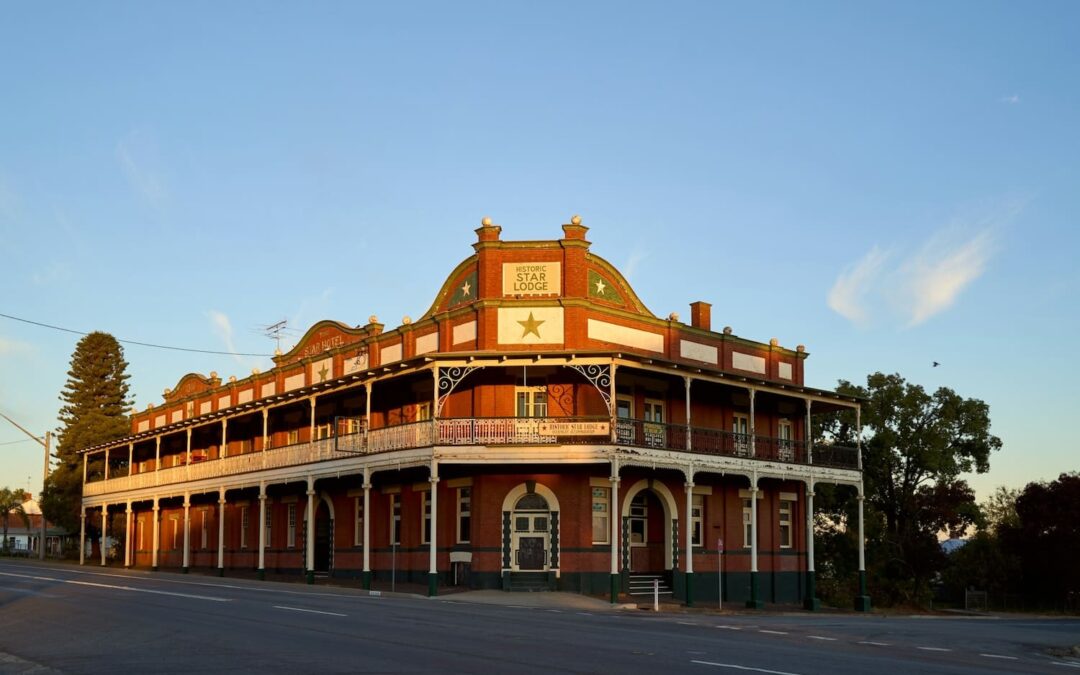
An award-winning spa on the Mornington Peninsula near Melbourne, discovered this firsthand. The property was running an unreliable, on-site phone system that didn’t integrate with their broader communications setup. With nearly 350 staff members and diverse service offerings, spa treatments, accommodation, hospitality services, their team spent significant time working around system limitations instead of focusing on guest interactions. When a guest called with a booking inquiry, the information wasn’t flowing to the right department. When staff needed to coordinate across the resort, they were using multiple disconnected systems. The business was losing operational efficiency and guest experience quality because their communications infrastructure was fragmenting their team’s effort rather than unifying it.
Security Vulnerabilities That Cost More Than You Think
Older communication systems weren’t built for modern security threats. They predate widespread cybercrime, data breach regulations, and the understanding of how vulnerable disconnected systems actually are.
Your aging phone system probably doesn’t encrypt voice calls. It probably doesn’t integrate securely with your Property Management System (PMS), which means guest data is transferred through less secure channels. It might not have automatic voicemail deletion protocols, creating data retention risks that could expose you to penalties under privacy regulations.
When security vulnerabilities exist in older systems, you face a choice between three approaches:
- The first option – hoping for the best, is how most hotels end up in crisis mode. You don’t invest until a data breach forces your hand or a compliance audit exposes your vulnerabilities. By then, you’re managing damage rather than prevention.
- The second option works for minor updates, but legacy systems have architectural limitations. You can patch individual vulnerabilities, but you can’t fundamentally change how an older system operates. A TDM or first-generation UC system wasn’t designed for modern security. Patches are temporary solutions to a structural problem.
- The third option – modernisation, comes in different forms depending on your property and budget. Some hotels migrate entirely to cloud-based communications platforms, where security updates are applied automatically and encryption is built into the architecture. Others use hybrid approaches: they keep their existing equipment where it still functions but add a modern, secure layer on top for new capabilities and integrations. Others upgrade to systems designed for modern security standards while keeping cost-effective elements of their existing infrastructure.
The actual approach matters less than recognising that security in an aging system isn’t a problem you can solve incrementally. You’re either investing in prevention or paying for crisis response.
The cost of a data breach, legal fees, notification requirements, reputational damage, potential regulatory fines, can dwarf the cost of system replacement.

The Guest Experience Penalty
Your outdated system limits what your team can actually do for guests.
Modern hotel guests expect to be able to text the front desk, not just call. They expect to request services through a mobile app or website chat. They expect their room to have features that integrate with their phone. When your system can’t deliver these things, it’s not just inconvenient, it’s a competitive disadvantage.
But the real cost isn’t in the features you’re missing. It’s in the guests you’re actively frustrating.
A guest calls the front desk with a request. Your system doesn’t integrate with housekeeping’s mobile devices, so the message goes into an email that gets checked every two hours. The request sits for 90 minutes. The guest gets frustrated and posts a comment on a review site before they even check out. Meanwhile, your staff member finally sees the request, but now it’s late to respond. The guest isn’t pleased, and you’ve got a negative review that will influence booking decisions for months.
Multiply that by dozens of daily interactions, and you’re looking at a not so good guest satisfaction score. And guest satisfaction directly influences online reviews, repeat bookings, and referrals.
When Online Inquiries Just Disappear
Here’s where aging systems create a specific, quantifiable problem: guest inquiries that come through your website or email aren’t connected to your phone system.
A potential guest sends an inquiry through your booking website asking about group rates for a conference. The message goes to an email address that someone checks once a day. Meanwhile, your front desk is fielding calls and handling check-ins. That inquiry takes 18 hours to get a response. The prospective guest has already booked somewhere else.
Alternatively, you’ve got a dedicated person monitoring emails, but they don’t have visibility into what your front desk already knows about that inquiry. Duplicate responses, conflicting information, frustrated guests.
Modern hotel communication systems integrate website inquiries, email, chat, and voice calls into a single platform. Your team sees everything immediately, knows who’s handling what, and responds consistently. Older systems treat these channels as separate problems that different departments manage independently.
What Replacement Actually Costs
The cost of replacing or upgrading your system depends on your property size and chosen approach. Boutique properties face different considerations than regional multi-property groups. Some hotels choose full migration to cloud. Others opt for hybrid approaches that preserve existing equipment while adding modern capabilities. Some prefer phased upgrades over time.
What’s consistent across all scenarios are: the money you’re currently spending on maintenance, emergency repairs, and operational inefficiencies that far exceeds what you’d spend on a modern system. Most hotels recover their initial investment within 18-24 months through reduced maintenance costs, improved operational efficiency, and fewer guest-related revenue losses.
If you want specific numbers for your property, that’s a conversation worth having with a provider who understands your actual situation, not a generic estimate.
The Question You Should Be Asking
Stop thinking about whether you can afford to replace your system. Start asking whether you can afford to keep it.
Your aging communication infrastructure is creating costs:
- You’re not fully accounting for hidden in technician callouts,
- In the time your staff spends working around system limitations,
- In the lost guests who don’t rebook because their experience was frustrating,
- In security risks you’re hoping don’t materialise.
If you’re not sure what your aging communication system is actually costing you, that’s worth investigating.
Contact the Mitel Hospitality Team – Let’s figure out whether replacement or upgrade makes sense for your property.