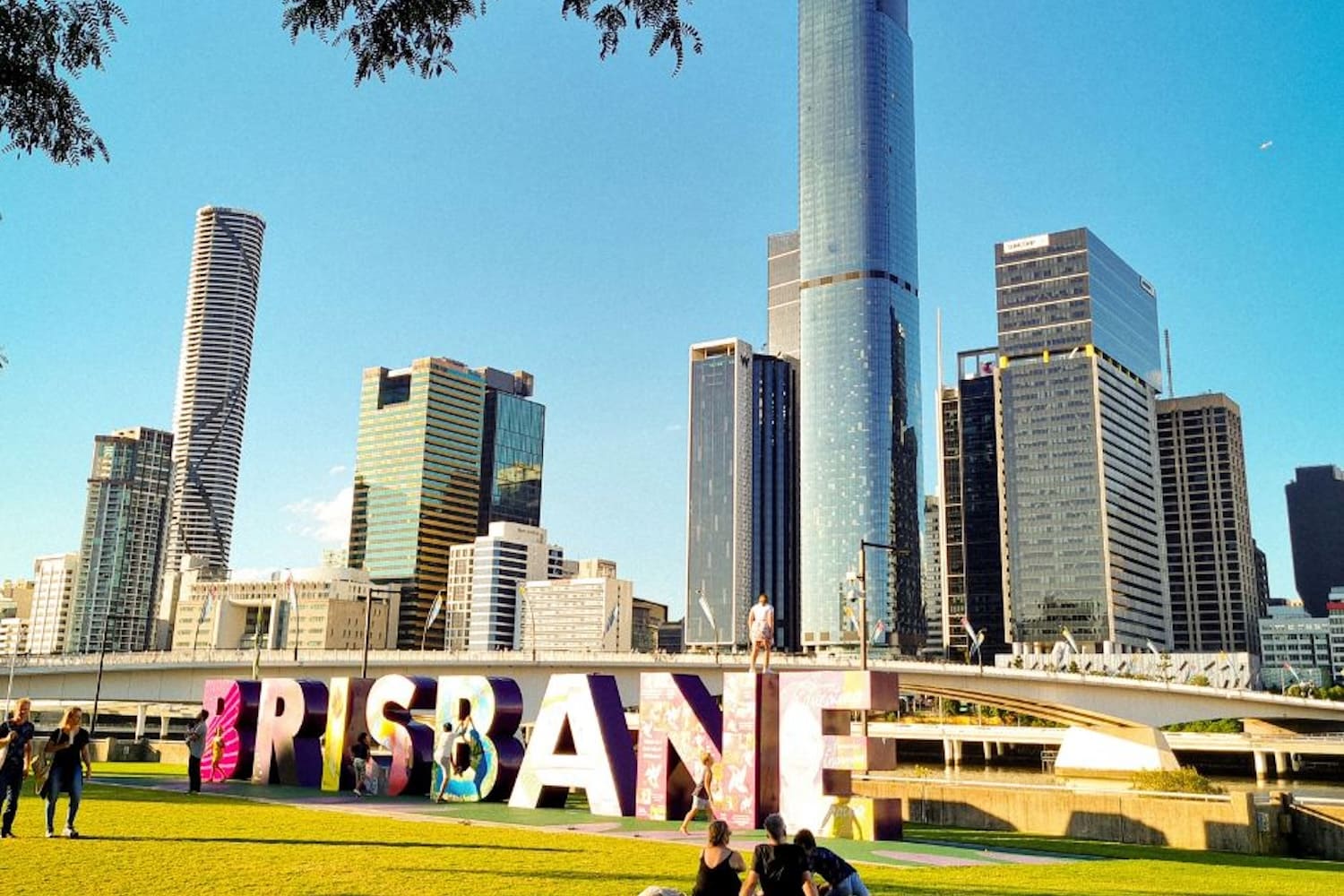
You’ve probably seen the construction cranes going up. You’ve heard the projections about visitor numbers. You know that 2032 is coming, and if your hotel is anywhere in Queensland, or even servicing Brisbane visitors from across Australia, those Olympics represent both opportunity and serious operational challenge.
The question most hotel operators aren’t asking yet: do your communications systems know how to handle it?
Peak periods at your property are one thing. Managing a team that’s juggling 95% occupancy, coordinated check-ins, guest requests streaming in faster than you can process them, and staff working extended shifts across multiple properties or departments is another level entirely. And that’s just the human side. Your technology has to keep up too.
What “Scaling” Actually Means When Thousands of Extra Guests Arrive
When we talk about scaling communications infrastructure, we’re not just talking about adding more phone lines. We’re talking about your entire operational nervous system expanding without breaking.
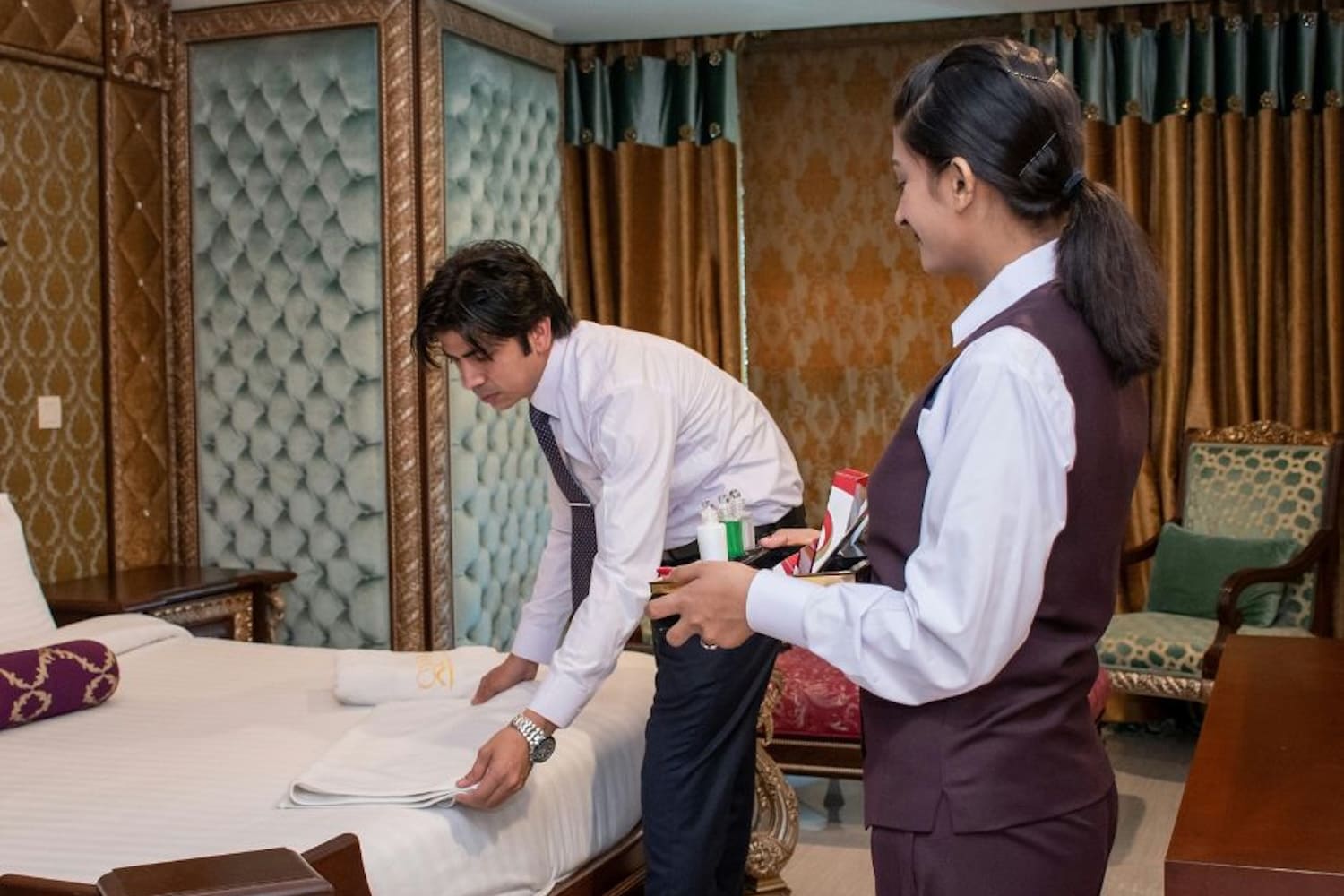
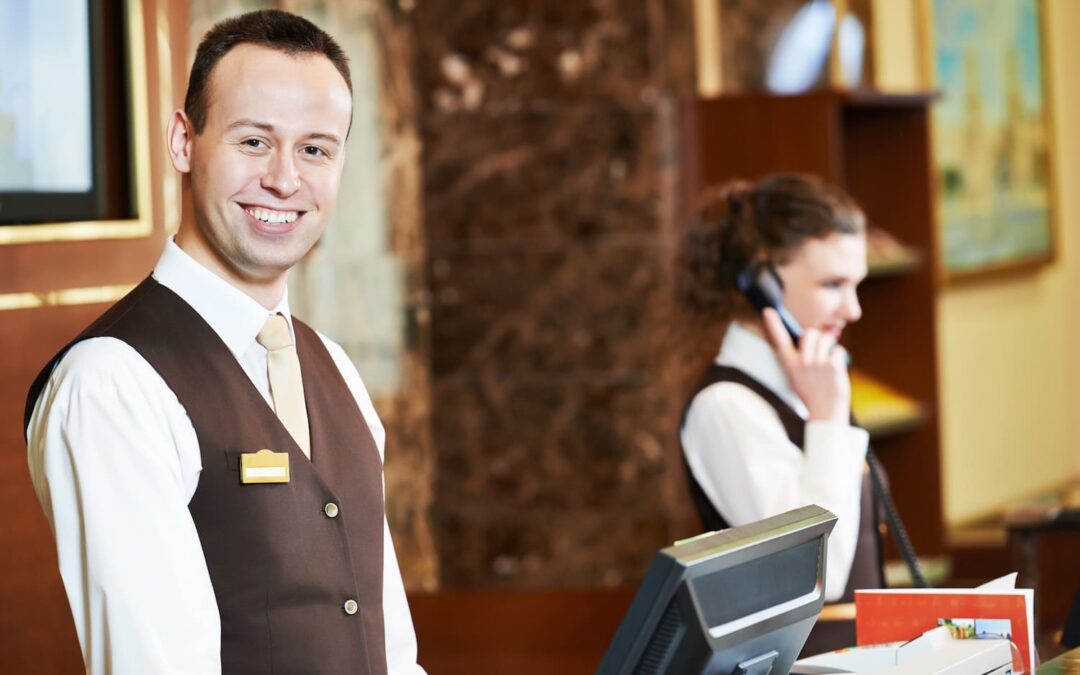
Think about what happens during a normal peak weekend at your property. Your front desk team fields calls, coordinates with housekeeping about room readiness, gets maintenance involved when something breaks, and tries to respond to guest requests while managing check-ins. It’s organised chaos, but it works because you’ve got your rhythm down.
Now multiply your occupancy by 1.5 or 2 times. Add guests from 200+ countries speaking different languages and unfamiliar with your property. Layer in event-specific requests (can I get tickets, how do I get to the venues, where’s the nearest transport hub). Factor in staff working longer shifts, possible cross-property coordination if you’re part of a larger group, and the need to respond faster because everyone’s time is compressed.
Why Cloud-Based Communications, Mobility and Remote Working all work together
You might think cloud-based communications are just a cost-saving measure. They’re not. Not during Olympics-level demand.
A traditional on-premises phone system has fixed capacity. You’ve got your hardware sitting in a server room somewhere. When you reach maximum capacity, incoming calls cannot be processed and will go unanswered. You’ve reached your system’s limits. Adding more capacity means buying more equipment, installing it, configuring it, and hoping you guessed right about how much you’d need.
Cloud-based communications work differently. You can adapt for those busy periods and adjust to your needs without needing to invest in more infrastructure. Furthermore, your modern guest telephony software is virtualised and allows you to make more efficient use of the private or public cloud services you already pay for by sharing that infrastructure with your other hotel applications.
But the real advantage during a massive event isn’t just capacity, it’s flexibility. Your team can take calls and messages from anywhere. If your front desk is overwhelmed, you can route calls to management offices. If housekeeping is slammed with requests, you can have notifications go to staff mobile devices, so they know about requests instantly, wherever they are on the property. Guest service agents working offsite can access the same system as your on-property team. It all works together.
During Olympics period, that flexibility becomes your operational lifeline.
Coordinating Staff When Everyone’s Stretched Thin
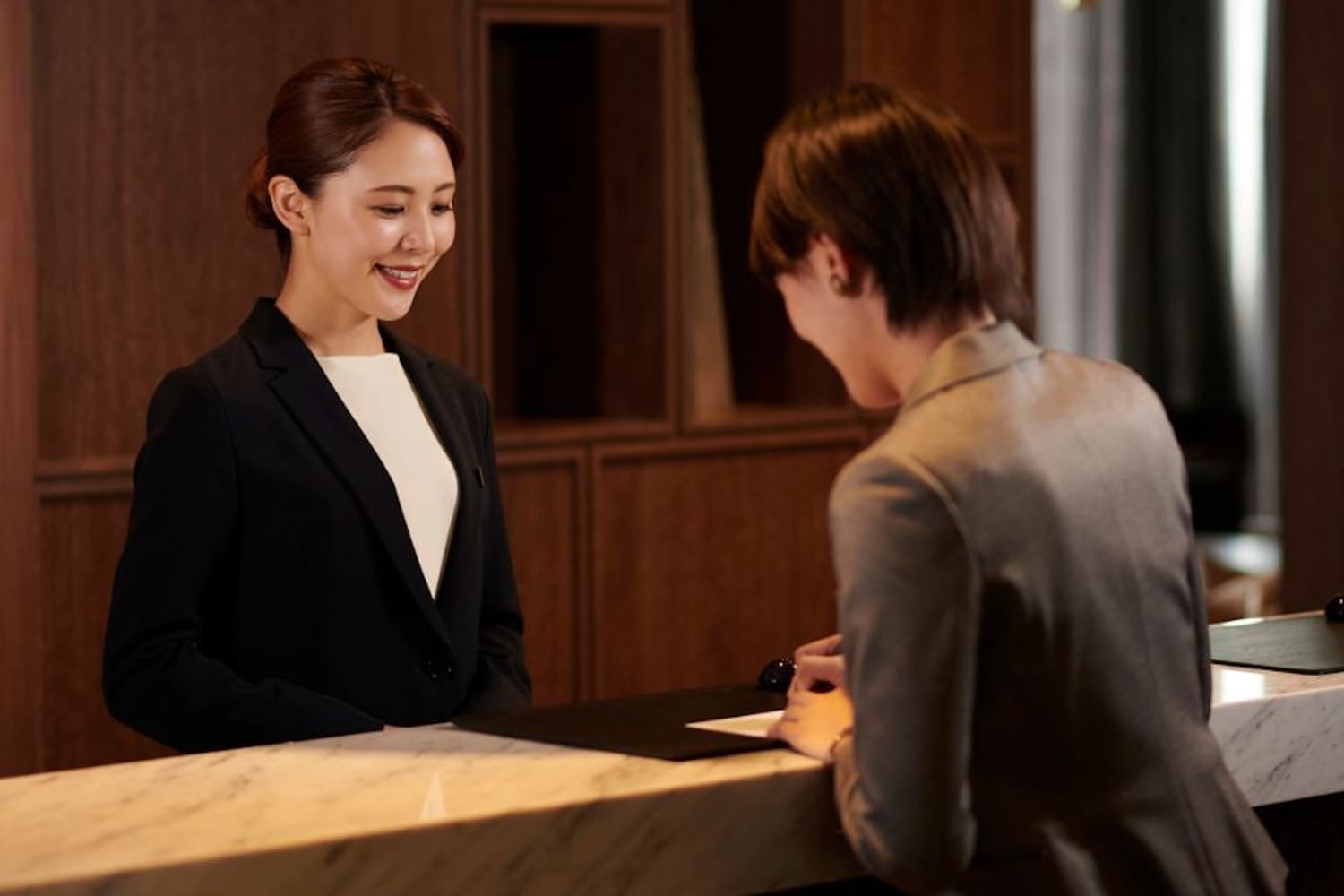
Here’s what most hotel operators don’t anticipate: the communication breakdown happens between teams, not within them.
Your housekeeping team is working longer shifts. Your maintenance crew is responding to more issues. Your front desk is handling triple the normal call volume. Management is trying to oversee everything. And nobody’s communicating effectively because they’re all overwhelmed and scattered.
A guest calls the front desk during breakfast service requesting a room change, the air conditioning in their room isn’t working properly. The receptionist needs to alert maintenance to fix the issue, find alternative accommodation, and update the guest on timing. In a normal day, this gets resolved within an hour. During Olympics week, maintenance is already allocated to five other jobs, and the guest has spent the afternoon in an uncomfortable room while their luggage sits in the lobby. Now they’re posting a negative review before they’ve even left the property.
Modern unified communications (UC) platforms solve this by creating a shared operational view. When the front desk gets that room maintenance call, they can instantly notify maintenance. They can see that the team has received the alert and acknowledged it, not hoping someone checked their email hours later. They can flag it as urgent if the guest is frustrated or if it’s a VIP account. They can create a task that stays visible to everyone involved until the room is repaired and the guest is satisfied, with status updates flowing back to the front desk so they can proactively reassure the guest about timing.
That’s not just nice to have. That’s essential when your staff is at capacity.
Planning Your Infrastructure Now
The Olympics aren’t sneaking up. You have time to plan, but you need to start thinking about this soon.
If you’re still running an older phone system, now’s the time to assess whether you can handle a 50-100% surge in call volume. Can you add capacity? Would it be cheaper to migrate to a cloud-based system? If you’re already cloud-based, can your provider scale to handle your peak needs? Have you tested this, or are you assuming it will work?
If you’re part of a multi-property group, have you coordinated with other properties about how you’ll handle overflow calls or coordinated guest services? A cloud-based system can make that cross-property coordination seamless.
Think about your staff experience too. Are your team members equipped with mobile devices that can access your communications system? Can your maintenance and housekeeping teams respond to requests in real-time, or do they have to check in at a central point? During normal operations, delays are annoying. During Olympics, they’re operational failures.
The Opportunity Framing
Most hotels treat big events as a test of endurance. You’re white-knuckling it, hoping nothing breaks, knowing you’ll probably disappoint some guests because you just can’t keep up.
But what if you approached it differently? What if you had infrastructure that actually scaled with demand, staff that could coordinate instantly across teams, and systems that freed people up to do their jobs instead of managing communication breakdowns?
That’s not a pipe dream. That’s a deliberate choice about the foundation you build today.
Your guests during 2032 won’t remember whether you had the most rooms or the fanciest amenities. They’ll remember whether you anticipated their needs, responded quickly when something went wrong, and made them feel like you had everything under control, even when you were running at maximum capacity.
That feeling comes from infrastructure and coordination. And that’s something you can build right now.
If you’re not sure whether your current system can handle sustained peak demand, that’s worth figuring out now rather than discovering it during the Olympics. Reach out to the Mitel team to assess your communications infrastructure and explore scalable solutions designed for hospitality’s biggest challenges.