

You’re probably not dealing with a complete communications failure. Your systems work, most of the time. Calls get answered. Dispatchers coordinate responses. Officers, paramedics, and firefighters stay connected. But beneath that functional surface, you’re managing an increasingly complex set of challenges.
Maintenance costs that seemed reasonable five years ago are climbing steadily. That vendor who promised ongoing support is now pushing you toward their cloud platform, subtly implying on-premises support won’t last much longer. Your IT team spends more time keeping legacy systems running than implementing improvements. And when you look ahead five or ten years, the path forward isn’t clear.
This is the infrastructure sustainability challenge facing emergency services across Australia right now. Let’s talk about how to think through it strategically, not reactively.
Beyond the Purchase Price: What You’re Really Buying
When your executive team approved your current communications infrastructure, they saw an upfront capital cost. Maybe it was expensive for a state-of-the-art Public Safety Answering Point (PSAP) communications platform. Defensible investment. Modern capability. Problem solved.
Except that investment was just the beginning. Now you’re five years in, and the real costs are becoming apparent. Annual maintenance contracts that increase yearly. Periodic hardware refreshes. Software licensing that’s more expensive than initially projected. And the hidden costs, your staff time managing the infrastructure, troubleshooting issues, coordinating with vendors, and working around system limitations.
This is why lifecycle cost analysis matters. That upfront capital investment might actually represent several times that amount over a decade when you account for everything required to keep it operational. And crucially, different infrastructure approaches have dramatically different lifecycle cost profiles.
On-premises infrastructure has higher upfront capital costs but theoretically gives you more control. Cloud-based platforms shift costs to operational expenditure with lower initial investment but ongoing subscription fees that can escalate.
None of these models is inherently better. What matters is understanding the true long-term cost implications for your specific operational context.
The Maintenance Trap Nobody Warns You About
Technology platforms typically follow a predictable lifecycle. Initial years bring innovation and regular enhancements. Mid-lifecycle, development slows as engineering resources shift toward next-generation solutions. Eventually, systems enter sustain mode, functional but no longer evolving with new capabilities like enhanced AML integration or advanced analytics.
The challenge isn’t system failure, it’s stagnation. You’re maintaining infrastructure that works but isn’t advancing with your operational needs. This creates a difficult position: the system isn’t broken enough to justify replacement, yet it’s not keeping pace with where emergency services technology is heading.
Strategic planning means asking the right questions upfront: What’s the vendor’s long-term product roadmap? How long will this platform receive meaningful capability updates? Does their business direction align with your operational model? Understanding these answers helps you plan for evolution, not just initial deployment.
The Upgrade Pathway Question
Imagine your communications infrastructure as a building. Some buildings are designed for easy renovation, modular construction, accessible systems, expansion space built in from the start. Others are essentially monolithic structures where any significant change requires gutting the entire facility.
Your communications platform is the same. Some architectures are designed for gradual evolution. You can upgrade components independently. You can add new capabilities through APIs and integrations. You can scale capacity without replacing core infrastructure. Migration paths to next-generation technology exist and are documented.
Other architectures are all-or-nothing propositions. Want new features? Complete replacement. Need more capacity? Rip and replace. Want to adopt new technologies? Start from scratch.
This distinction fundamentally affects your sustainability. Platforms designed for evolution let you make incremental improvements that keep pace with operational needs and technology advances. You’re never stuck with a system that’s dramatically outdated because you’ve been evolving it continuously.
Monolithic platforms force a boom-and-bust cycle. You invest heavily, run the system for as long as possible while it slowly becomes obsolete, then face another massive investment to replace it entirely. This cycle is predictable, expensive, and risky.
When you’re planning infrastructure investments, upgrade pathway flexibility should be a primary evaluation criterion.
Operational Resilience: The Cost You Can’t Ignore
Here’s a cost that rarely appears in procurement documents: what does downtime cost your operation? Not in dollar terms, but in operational impact.
If your communications infrastructure goes down for two hours during a major incident, what’s the consequence? How many calls get missed? How much slower is your dispatch? How does it affect officer safety when they can’t communicate effectively with your communications centre?
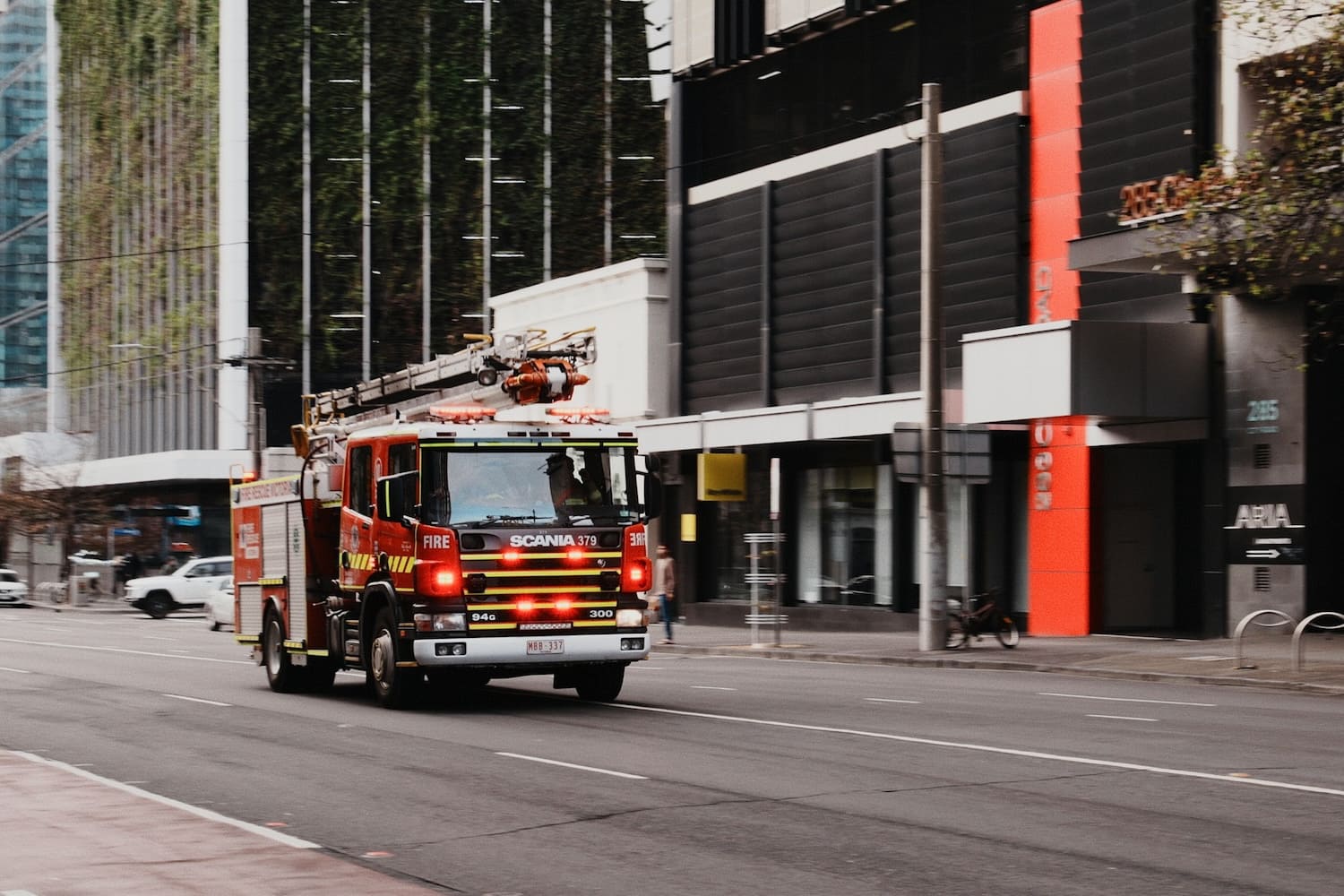
Operational resilience has real costs in both directions. Building highly resilient infrastructure costs more – redundant systems, geographic diversity, sophisticated failover capabilities. But lacking resilience also costs you, in operational disruption, risk to personnel and community, and potential regulatory or legal consequences.
Strategic planning means quantifying this trade-off honestly. What level of resilience does your operation actually require? Not what sounds good in policy documents, but what operational reality demands given your incident types, geography, and backup capabilities.
A CBD police force handling hundreds of 000 calls daily needs different resilience than a regional fire service with lower call volumes. Your infrastructure investment should reflect your actual operational requirements, not a one-size-fits-all approach.
The Integration Sustainability Factor
Your communications platform doesn’t operate in isolation. It connects to Computer Aided Dispatch (CAD), Integrated Communications Control System (ICCS), recording systems, radio networks, potentially Everbridge or other critical event management platforms. These integration points represent both capability and vulnerability.
Sustainable infrastructure maintains these integrations through technology evolution. When your CAD vendor releases a major update, does your telephony platform support it without requiring custom development? When emergency services standards evolve, new location data protocols, updated recording requirements, enhanced accessibility features, can your infrastructure adapt?
Platforms built on open standards and documented APIs handle integration sustainability well. Proprietary systems with custom integration points create ongoing maintenance burdens that increase costs and limit your flexibility over time.
This might sound abstract, but it has concrete cost implications. If every system update requires hiring integrators to rebuild connections, you’re carrying a significant hidden ongoing cost. If your platform handles standards-based integrations natively, those costs largely disappear.
Planning Your Pathway Forward
Sustainable infrastructure planning isn’t about finding the perfect solution, it’s about making informed decisions that balance immediate needs with long-term flexibility, costs, and operational requirements.
Start by honestly assessing where you are now. What are your true lifecycle costs? Where are maintenance challenges emerging? What capabilities are you missing because your current infrastructure can’t support them? How does your vendor’s roadmap align with your long-term needs?
Then evaluate options against realistic timeframes. You’re not just buying technology for next year; you’re establishing the foundation for operations over the next decade. Will the choices you’re considering today serve you well in 2030, or are you setting up tomorrow’s problems?
Your community’s safety depends on communications infrastructure that works reliably not just today, but years from now when technology has evolved and operational demands have increased. Strategic planning today determines whether you’ll be ready for those challenges.
Need guidance on long-term communications infrastructure planning for your emergency service? Connect with specialists who understand both the technology landscape and the operational realities of Australian emergency services.