If you operate a hotel anywhere in Australia, you’re navigating a different set of emergency call rules than your international counterparts. And that difference could affect how you protect your guests, keep your staff safe, and stay compliant with local law.
The Australian Standard Your Guests Don’t Know About
The Telecommunications (Emergency Call Service) Determination (2019) is the legislation that shapes how hotels must handle emergency calls. Unlike Kari’s Law in the United States, which mandates direct access to 911 from hotel rooms, Australia’s best practice actually recommends routing emergency calls through your reception desk first.
This isn’t a loophole or a workaround. It’s intentional. Your reception staff can provide emergency services with crucial information: the exact room number, the nature of the emergency, details about the guest’s condition, and whether they’re a foreign visitor who might have language barriers. Those details can literally be the difference between minutes and seconds in an emergency response.
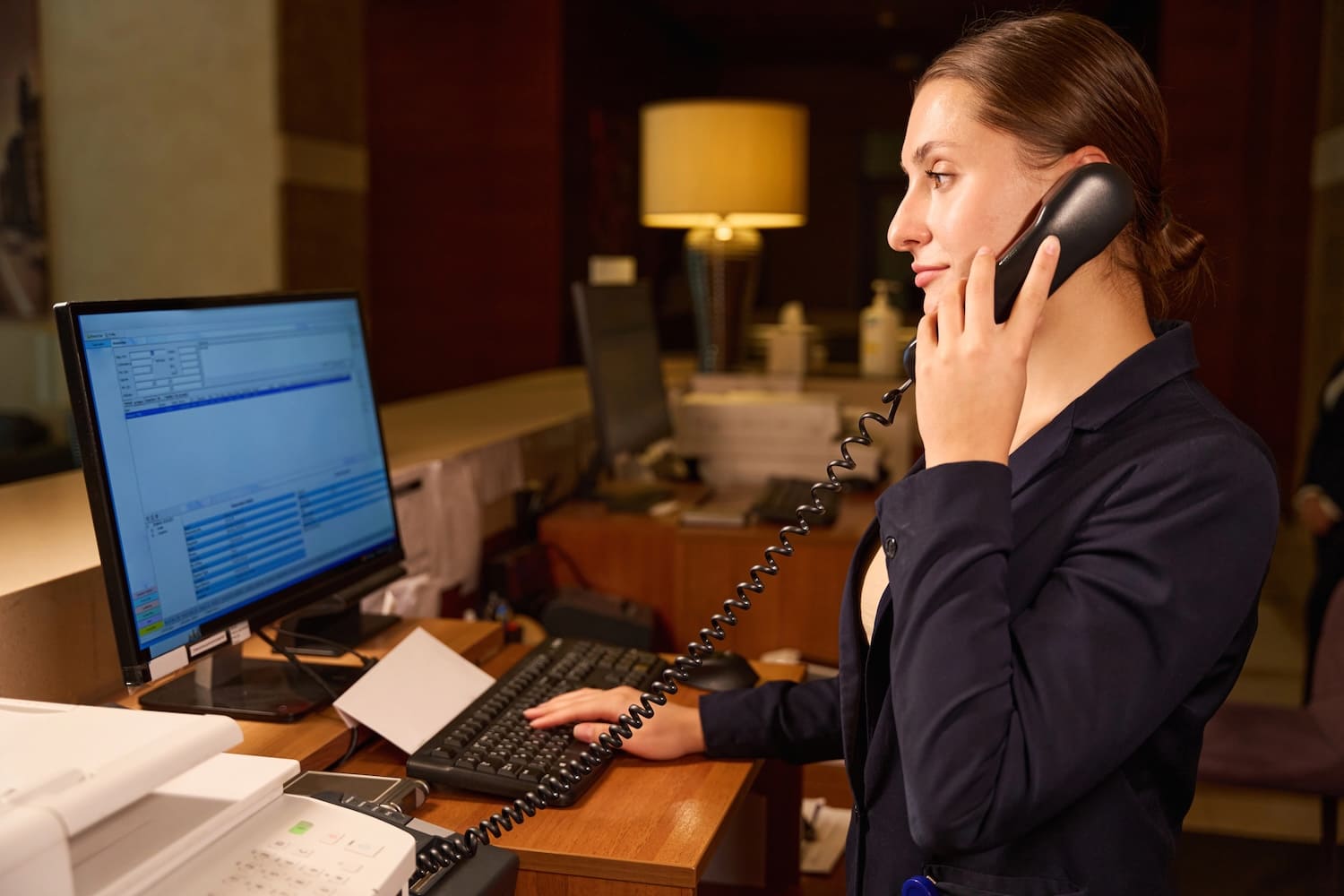
When someone picks up the hotel phone in room 307 and dials 000, that call goes to your front desk console first. Your staff immediately knows where the call originated, can speak to the guest, assess the situation, and relay information to emergency services while keeping a line of communication open. It’s coordinated. It’s faster. It’s safer.
Why Your Current System Might Not Be Enough
Older phone systems, especially those using TDM technology or first-generation UC systems, weren’t built with Australian emergency call compliance in mind. While they can route calls, they often lack the real-time room identification, simultaneous multi-device alerting, and integration with modern PMS systems that compliance and guest safety actually require. You might get by with workarounds, but you’re relying on manual processes and hoping your staff responds quickly enough.
You might have analogue phones scattered throughout your property that can’t integrate with modern alert systems. You might not have the technology to instantly identify which room a call came from. You might lack the ability to send simultaneous notifications to your security team, management, and front desk staff when an emergency is reported. And if your hotel doesn’t have 24-hour reception, you’re facing a genuine gap: what happens when someone calls 000 at 3 AM?
These aren’t edge cases. They’re the reality many properties deal with every day.
What Compliance Actually Requires
Based on the Telecommunications (Emergency Call Service) Determination 2019, your hotel must have documented emergency procedures in place and ensure 000 calls can be made. Industry best practice, and what will protect your guests and staff, includes room-level identification, immediate staff alerting, location information sharing, and continuity plans for non-24-hour properties. However, the legislation doesn’t prescribe these specific mechanisms.
This is where compliance stops being abstract and becomes operational. It’s about having the right technology in place, training your staff to use it, and testing it regularly to make sure it works when you need it.
The Technology That Makes This Work
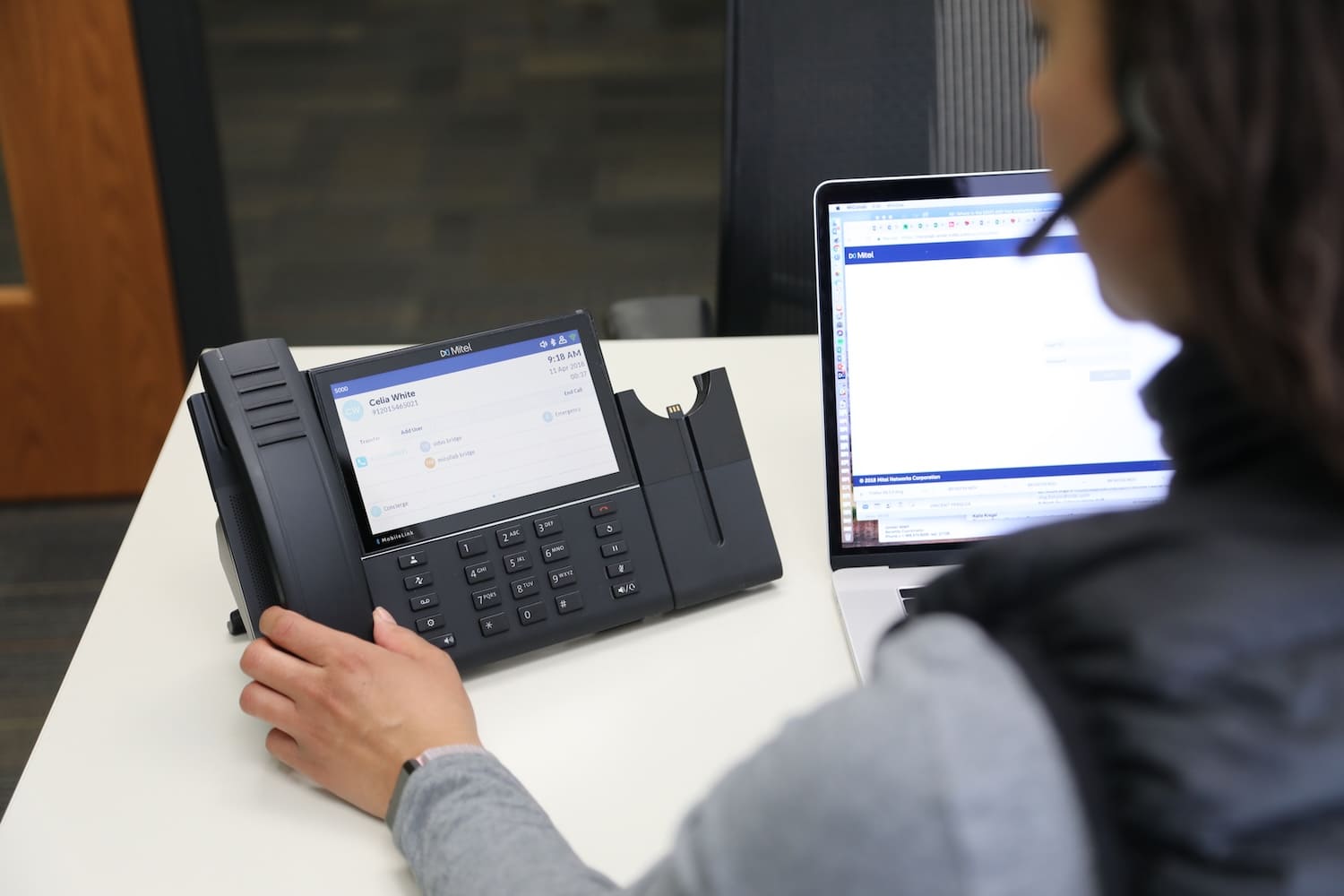
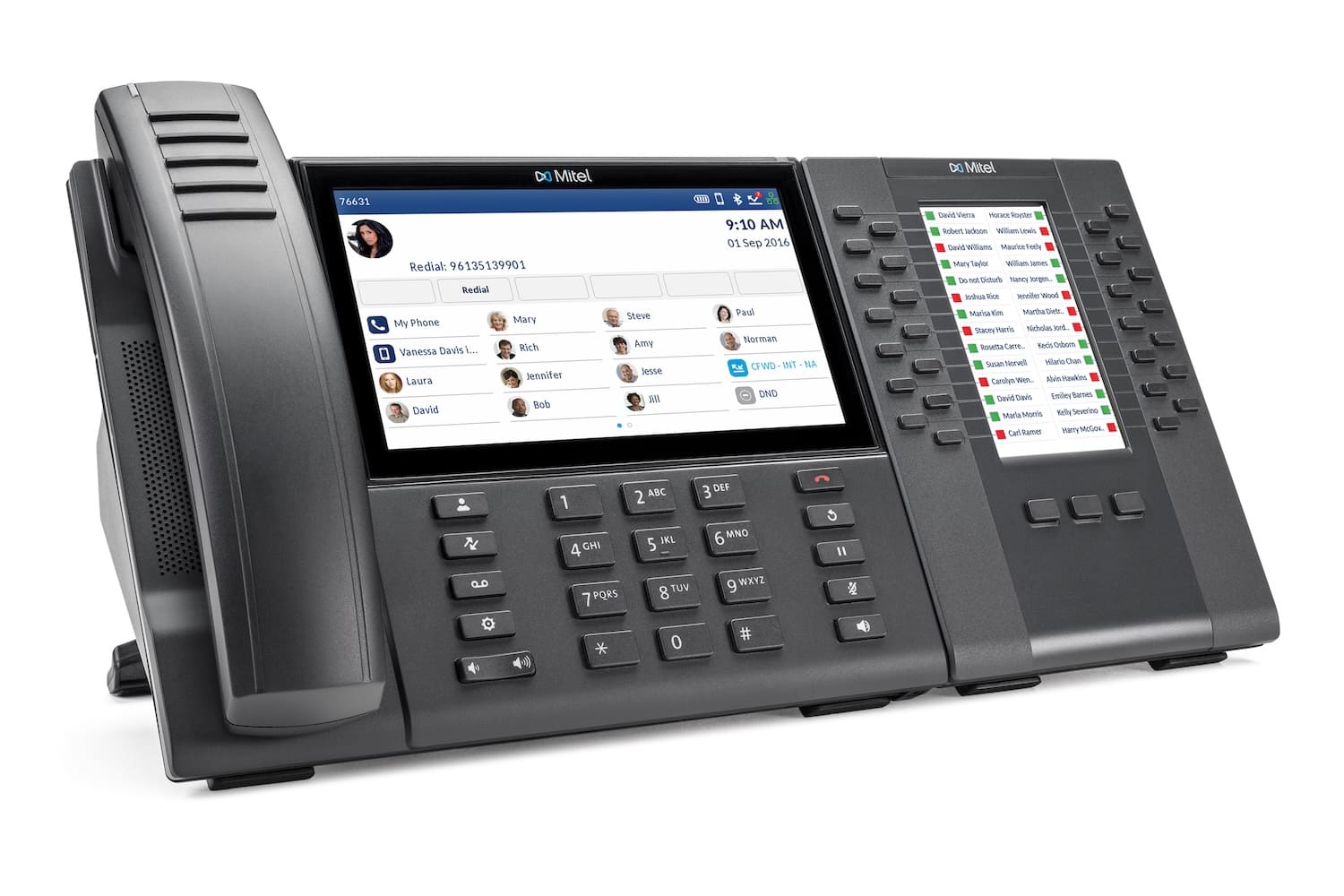
Modern communications platforms built for hospitality handle this differently. When a guest calls 000 from a room, the system can trigger simultaneous notifications across multiple channels. Your front desk phone receives the call. An alert pops up on your security team’s mobile device. Your manager gets a text notification. The system automatically displays the guest’s room number and check-in information on the receptionist’s screen.
Some systems integrate directly with your Property Management System (PMS) so staff can instantly see guest details. Others support mass notification capabilities, if there’s a major incident, you can broadcast alerts to your entire team across desk phones, mobile phones, and tablets in seconds.
This isn’t overkill. It’s the baseline for a system designed to handle real emergencies in hospitality settings.
Balancing Compliance with Practicality
The challenge gets real if you’re a smaller property or you operate with limited night-time staffing. You can’t expect a single night auditor to be everywhere at once. That’s where your technology architecture matters.
You might deploy a hybrid approach: keep your analogue room phones working with your existing infrastructure for routine calls, but add an IP-based layer that handles emergency notifications. You route 000 calls through a monitored console even if it’s offsite or staffed by a third party in some cases. You use cloud-based systems that can reach staff on their personal devices, ensuring someone always knows about an emergency.
The point isn’t to create a perfect system, it’s to create a documented, tested, defensible one that prioritises guest and staff safety while meeting legal requirements.
Your Next Step
If you’re not certain your current system meets Australian emergency call compliance standards, that’s worth investigating now rather than discovering it during an incident or an audit. Check your documentation. Test your alerts. Talk to your communications provider about whether your system can identify the room source of emergency calls and route them appropriately.
Your guests shouldn’t have to think about emergency procedures. Your staff shouldn’t have to improvise. And you shouldn’t carry the risk of non-compliance. Get the right system in place, train your team, and move forward knowing you’ve done what Australian law requires, and what good hospitality demands.
Contact the Mitel Hospitality Team. We’re here to help you protect your guests and your property.