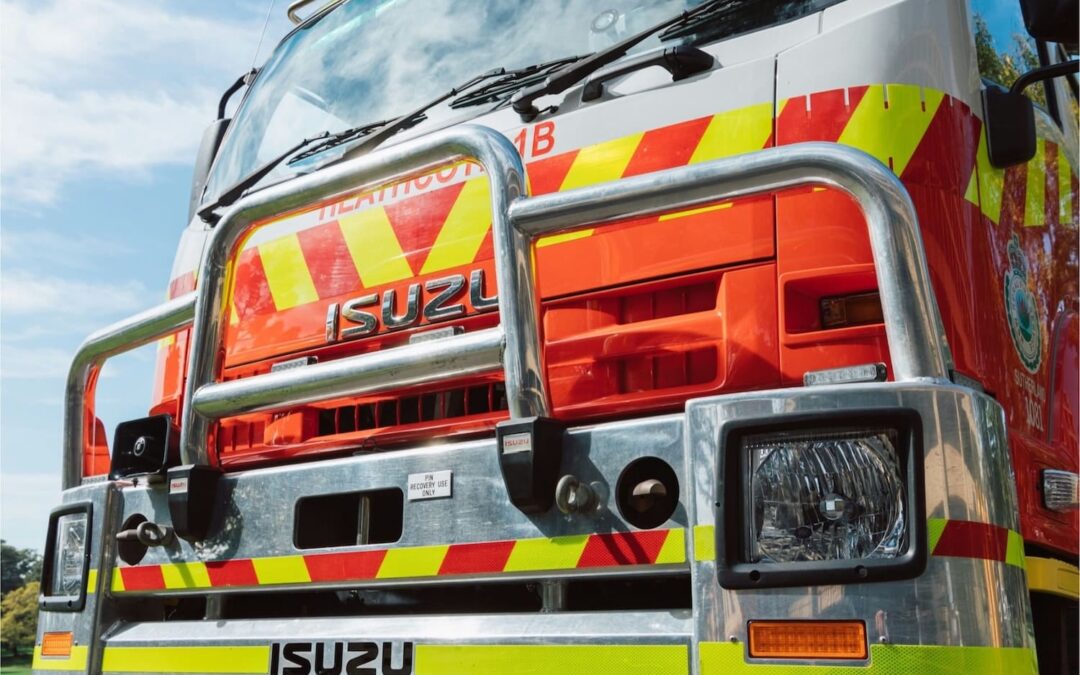
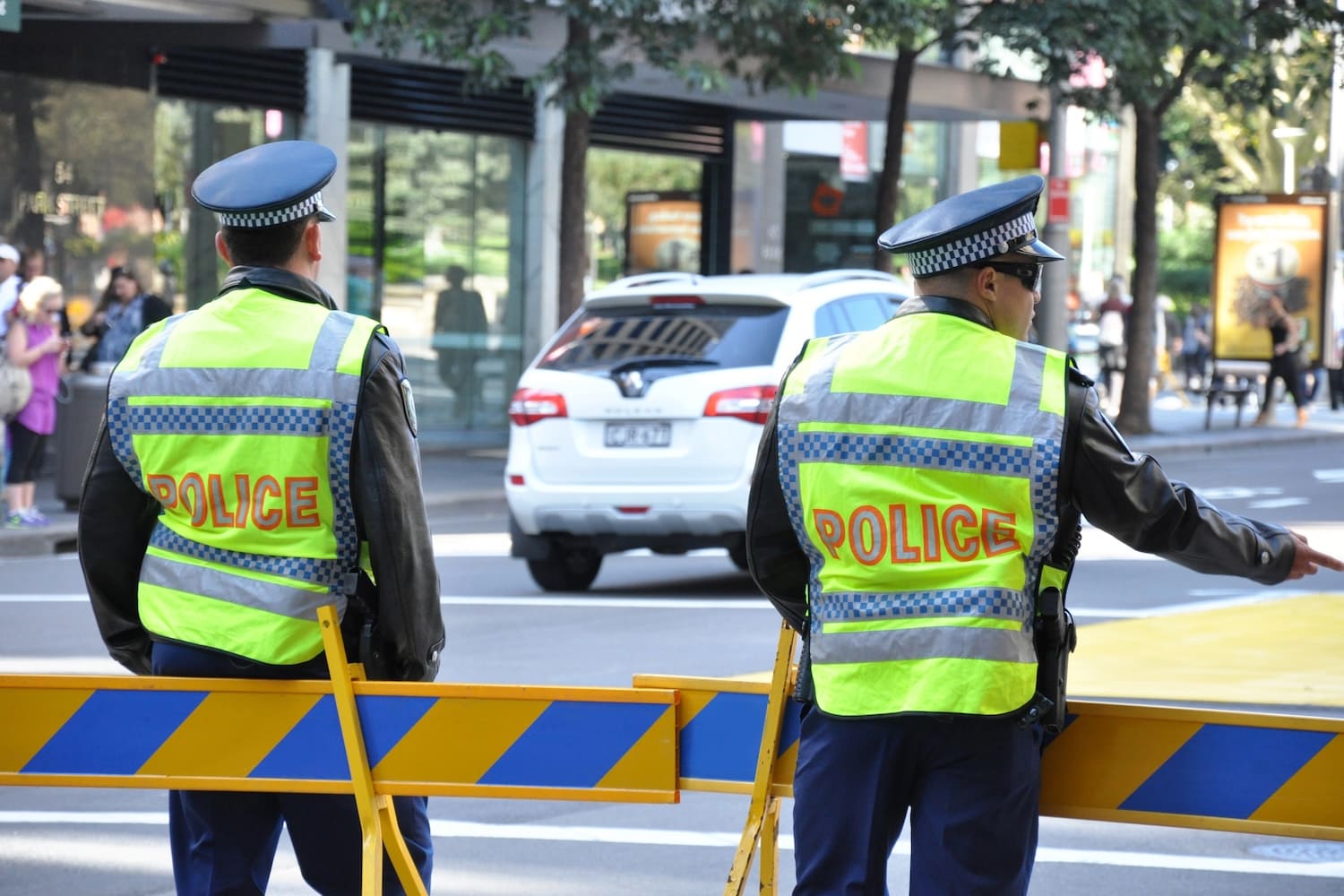
The call comes in: major traffic accident on the highway, multiple vehicles involved, confirmed casualties, hazardous materials spill. Within minutes, you’ve got police securing the scene, fire crews extracting trapped occupants, ambulance treating injuries, and SES managing traffic. Four different agencies, four separate radio networks, four command structures, all trying to coordinate a unified response.
This is when communication silos stop being an administrative annoyance and become an operational crisis. Your police officers need to tell fire crews about additional hazards they’ve identified. Ambulance paramedics need to communicate patient priorities to the incident commander. Fire needs to coordinate their approach with police traffic management. Everyone needs shared situational awareness, but is your communications infrastructure is working against you, or with you?
Why Silos Persist Despite Good Intentions
Here’s what’s frustrating: nobody designed these silos deliberately. Your police force built communications infrastructure optimised for law enforcement operations. Fire services built theirs for firefighting coordination. Ambulance focused on medical dispatch requirements. Each made rational decisions for their specific operational context.
The problem emerges when these independently optimised systems need to work together. Your police Public Safety Answering Point (PSAP) runs different telephony platforms than fire. Your Computer Aided Dispatch (CAD) systems don’t share data between agencies. Your radio networks operate on different frequencies with different protocols. Even basic tasks like establishing a phone call between agency commanders can require knowing specific phone numbers, navigating different organisations’ phone systems, and hoping someone answers.
During routine incidents, you work around these limitations. But major incidents don’t give you time for workarounds. When a bushfire threatens multiple communities, when a terrorist incident requires coordinated law enforcement and medical response, when natural disasters overwhelm normal operations, that’s when interoperability failures can cost lives.
The Technology Foundation That Enables Coordination
Effective multi-agency coordination requires communications infrastructure that treats interoperability as a core capability, not an afterthought. What does this actually mean in practical terms?
Unified telephony platforms that make cross-agency calling as simple as internal calling. Your dispatcher should be able to conference in fire and ambulance commanders without navigating different phone systems or hunting for contact numbers. Hotline connections between agency PSAPs should be one-button operations, not complex dialling procedures.
Integrated Incident Command and Control System (ICCS) capabilities that allow your control room operators to see relevant information from partner agencies during joint operations. Not full access to their systems, which raises security and privacy concerns, but appropriate visibility into shared incidents and resource deployment.
Standards-based Application Programming Interfaces (APIs) that enable CAD systems from different agencies to exchange incident information when authorised. During a major incident, your incident commander shouldn’t be getting situation updates via radio relay from other agencies’ PSAPs, they should have direct data feeds showing resource deployment and incident status.
The technical architecture matters here. Platforms built on open standards and documented protocols handle multi-agency integration far better than proprietary systems requiring custom development for every connection.

Operational Protocols: Making Technology Work in Practice
Technology enables interoperability, but operational protocols make it effective. You need clear agreements about when and how agencies share information, who has authority during different incident types, and what communication pathways get used for what purposes.
Consider incident command handover. A medical emergency becomes a crime scene. Who’s in charge shifts from ambulance to police, but the transition requires seamless communication continuity. Your systems should support this handover with incident records transferring, communication channels maintaining, and all agencies remaining coordinated despite the command structure change.
Or think about resource sharing during major incidents. Fire needs police assistance with evacuations. Police need ambulance for officer injuries. Ambulance needs fire for heavy rescue. These resource requests shouldn’t travel through radio relay and manual coordination; they should flow through interconnected dispatch systems that track multi-agency resources and commitments.
Establishing these protocols requires agencies to work together on operational planning, not just procurement. The best technology in the world won’t fix interoperability if agencies haven’t agreed on how they’ll actually use it during incidents.
The Challenge in Integrating Multiple Comms Technologies
Your radio networks represent both your most critical operational communication tool and your biggest interoperability challenge. Police, fire, and ambulance typically operate separate radio networks, often using incompatible technologies. During major incidents, this creates coordination gaps that verbal relay through PSAPs only partially addresses.
Radio gateway technology offers one solution. Modern communications platforms can bridge different radio, SIP and mobile networks, allowing agencies to establish temporary shared talk groups during major incidents. Your police dispatcher can patch your units into a fire channel for direct coordination at the scene level, even if first responders may be carrying various radio and mobile devices.
This capability requires careful governance. You don’t want permanent cross-agency comms access, which creates channel congestion and security concerns. But you need the ability to rapidly establish and then decouple these temporary bridges during major incidents, controlled by authorised personnel in your PSAPs.
Integration between your telephony platform and radio dispatch systems enables this flexibility. When your Integrated Communications Control System can manage both phone and radio communications through unified interfaces, establishing multi-agency radio coordination becomes operationally feasible in ways it isn’t with separated systems.
The Everbridge Advantage for Mass Coordination
When major incidents require rapidly mobilising resources across multiple agencies, traditional communication methods fall short. Phone trees take too long. Radio broadcasts might miss off-duty personnel. Email doesn’t guarantee immediate attention.
Critical event management platforms like Everbridge solve this coordination challenge. During a major incident, your incident commander can trigger alerts that simultaneously reach relevant personnel across multiple agencies, through whatever communication channel each person prefers, with confirmation of receipt and response.
Imagine a major bushfire threatening multiple jurisdictions. One alert from the coordination centre reaches fire chiefs, police commanders, ambulance supervisors, SES coordinators, and local emergency management simultaneously. Everyone gets situational updates. Resource requests reach decision-makers instantly. Coordination that would normally take dozens of phone calls happens in seconds.
Integration between Everbridge and your core communications infrastructure enables this capability. Alerts trigger through your existing telephony platform, ensuring priority routing and reliable delivery even when networks are under stress.
Starting the Interoperability Journey
Improving multi-agency coordination doesn’t require replacing all your systems simultaneously. Start with the highest-value integration points. Maybe that’s establishing reliable hotlines between PSAPs. Maybe it’s implementing radio gateway capability for major incident response. Maybe it’s adopting shared critical event management for coordination.
The key is choosing platforms and protocols that enable incremental improvement rather than requiring wholesale replacement. Standards-based approaches let you build interoperability progressively as budgets and opportunities permit.
Talk to your counterparts in other agencies. What coordination challenges do they see from their perspective? Where are the communication gaps causing operational problems? Technical solutions should address real operational needs, not theoretical integration possibilities.
Major incidents will keep happening. The question is whether your communications infrastructure helps agencies coordinate effectively or forces them to work around technological barriers.
Looking to improve multi-agency coordination capabilities? Connect with specialists who understand the interoperability challenges facing Australian emergency services.