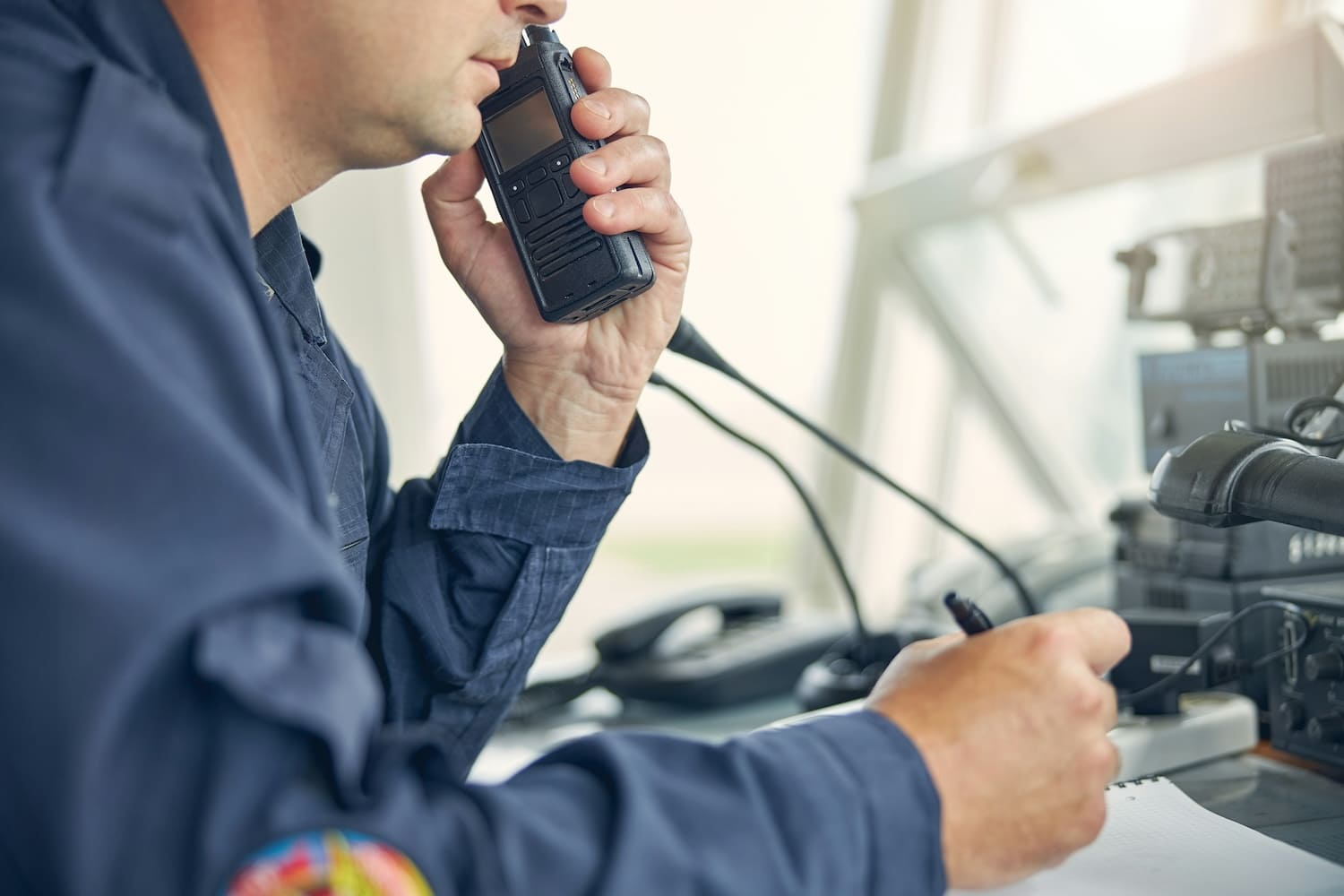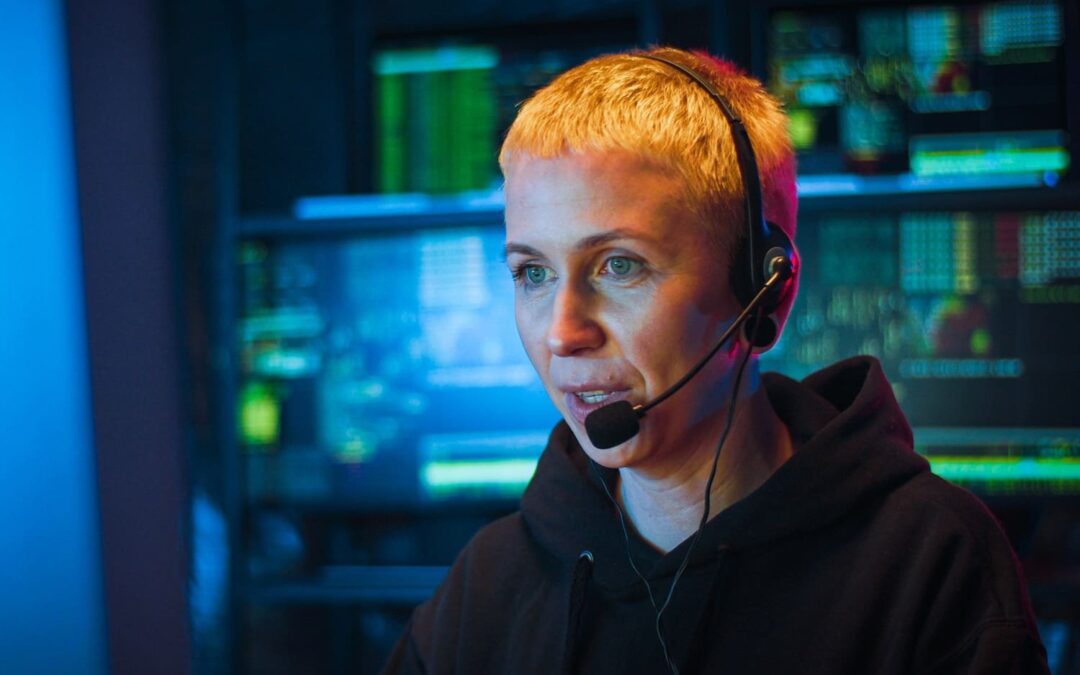
Every second between a 000 call arriving and a police unit being dispatched represents potential risk. Your call-takers know it. Your dispatchers feel it. And your officers in the field depend on your communications centre getting information to them accurately and fast.
Yet in many police communications centres across Australia, valuable seconds, sometimes minutes, are lost not because of slow decision-making, but because of clunky technology. Your call-taker answers a 000 call, gathers critical information, then manually types it into CAD while the caller is still on the line. Details get misheard. Address spelling errors delay dispatch. Location data that could flow automatically from your telephony system instead gets re-entered by hand.
If this sounds familiar, you’re dealing with an integration problem, not a people problem. And solving it can fundamentally transform your operational performance.
Where Integration Gaps Cost You Time
Walk through a typical high-priority call in your communications centre. A 000 call comes in reporting an armed offender. Your call-taker needs to simultaneously gather information from a distressed caller, enter details into CAD, coordinate with colleagues, and maintain situational awareness, all while keeping the caller calm and extracting accurate information.
Now add manual data entry to that cognitive load. The caller’s phone number? Manually typed. Their location? Manually entered, probably requiring verification and spelling out street names. Callback number? Another manual entry. Any of those fields entered incorrectly, and you’ve just introduced delays or errors into your response.
Modern Computer Aided Dispatch (CAD) integration eliminates this friction. When your telephony platform and CAD system work together seamlessly, critical data flows automatically. Caller ID information populates instantly. Advanced Mobile Location (AML) coordinates appear on the dispatcher’s map without manual intervention. Call recordings link directly to incident records. History checks on repeat callers happen in the background.
This isn’t about marginal improvements; it’s about fundamentally changing how fast your people can work when every second matters.

The Screen Pop That Actually Helps
You’ve probably heard vendors talk about “screen pop” functionality. A call comes in; information appears on screen automatically. Sounds great in demonstrations. But here’s what matters: what information actually pops, and does it appear in a way your people can actually use?
Effective CAD integration means your call-taker sees relevant information the moment they answer. If the number has called before, previous incident history appears. If AML coordinates are available, the location is already mapped. If the caller has special needs flags in your system, those alerts are immediately visible.
But here’s where integration sophistication matters. Bad screen pop dumps raw data on your call-taker’s screen. Good screen pop presents contextual information that helps them make better decisions faster. The caller’s name if available. Previous incident types from that address. Outstanding warrants if the location matches known offenders. Response history that might indicate false alarms versus genuine emergencies.
Your call-takers shouldn’t need to interpret disparate data; the integrated system should present actionable intelligence that helps them do their job better.
Dispatch Efficiency: Beyond Just Sending Units
Your dispatchers are managing complex resource allocation decisions constantly. Which units are available? Which are closest? Which have the right capabilities for this incident type? Traditional workflows require checking multiple systems, cross-referencing information, and making decisions based on incomplete data.
Integrated CAD and communications platforms change this calculation. When your telephony system, ICCS console, and CAD are truly integrated, your dispatcher sees unified information. Unit availability isn’t just about CAD status, it includes whether officers are currently on phone calls, their exact GPS locations, and predictive information about which units will become available soon.
This integration enables smarter dispatch decisions. Your system can automatically recommend optimal unit assignments based on location, availability, and incident type. It can alert dispatchers when high-priority calls are waiting while lower-priority incidents have multiple units assigned. It can even help balance workload across your region to prevent some units from being overwhelmed while others sit idle.
The result isn’t just faster dispatch; it’s better resource utilisation across your entire force.
The Callback Capability You’re Probably Missing
Here’s a scenario that happens regularly: your call-taker is gathering information from a 000 caller when the call drops. Mobile signal issues, caller’s phone battery dies, domestic violence situation where the offender returns, whatever the cause, you’ve lost contact mid-incident.
What happens next in your communications centre? Does your call-taker manually dial the number from memory or scrambled notes? Do they ask a dispatcher to look up the incident and find the callback number? How many seconds or minutes pass before you re-establish contact?
Proper CAD integration makes callbacks instant. One button press from the incident record, and your system automatically dials the caller. No searching for numbers. No manual dialling. No delays. This capability sounds simple, but in high-stress situations with multiple active incidents, these streamlined workflows make enormous operational differences.
The same principle applies to calling complainants for follow-up, contacting witnesses, or coordinating with other agencies. When your telephony platform understands CAD context, these tasks become easy instead of a time-consuming administrative overhead.
Multi-Site Operations and Backup Scenarios
If you’re operating a state police force, you’re likely managing multiple communications centres or have backup arrangements with other regions. How does that work when your primary PSAP goes offline?
Integrated systems handle failover gracefully. Calls automatically reroute to backup facilities. Call-takers at the alternate site see the same CAD information. Incident ownership transfers seamlessly. Officers in the field experience no disruption, they’re still talking to dispatchers who have full situational awareness, just from a different location.
Without proper integration, backup scenarios become chaotic. Different systems at different sites. Incomplete information transfer. Officers wondering why their backup dispatchers don’t seem to know what’s happening. That chaos is avoidable, but only if integration is designed with multi-site resilience in mind from the start.
The API Question You Should Be Asking
When you’re evaluating telephony platforms or CAD systems, vendors will assure you that integration is possible. Here’s what you actually need to ask: How is it integrated? Through standard APIs or through custom development? Is the integration maintained by the vendor or does it require your IT team to constantly patch and update?
The best integrations use open, standards-based APIs that both systems natively support. This means updates to either system don’t break the integration. It means you’re not held hostage by one vendor’s willingness to maintain connections to another vendor’s product. And it means you can integrate additional systems in the future without starting from scratch each time.
Proprietary, custom integrations might work initially, but they create long-term maintenance burdens and limit your flexibility as technology evolves.
Making Integration Work for Your Operations
Computer Aided Dispatch integration isn’t a technology project; it’s an operational capability project. The technology enables it, but the value comes from faster, more accurate, more efficient police response to your community’s needs.
If your current integration isn’t delivering that value, the question isn’t whether to fix it, it’s how quickly you can implement something better.
Looking to optimise CAD integration for your police communications centre? Connect with specialists who understand the unique operational demands of Australian law enforcement communications.