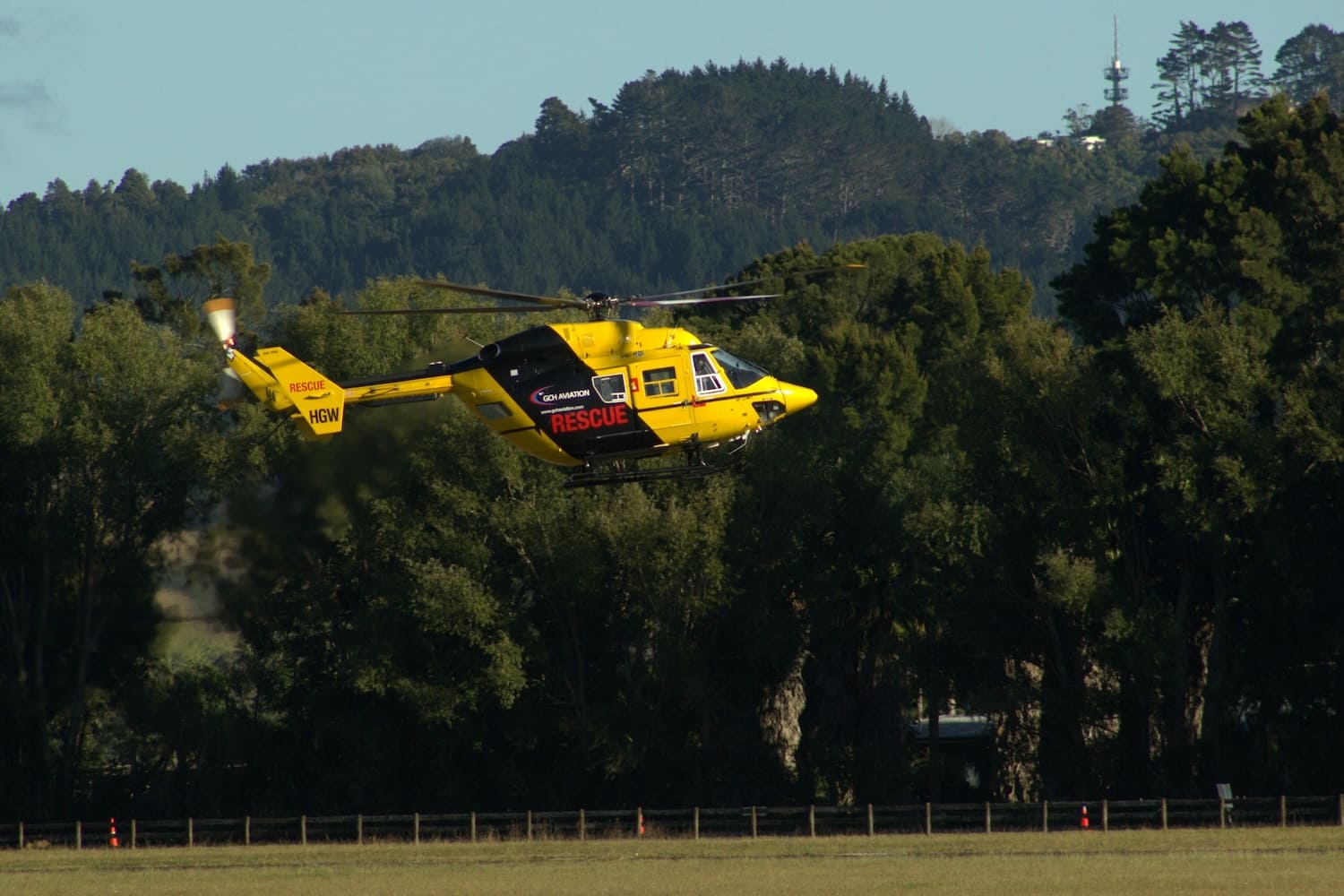

You’ve seen how quickly bushfire emergencies escalate. One moment you’re managing routine calls, the next your Public Safety Answering Point (PSAP) is overwhelmed with hundreds of 000 calls, your Computer Aided Dispatch (CAD) system is tracking dozens of active incidents, and you’re coordinating response across multiple agencies while communities are evacuating.
Bushfire season isn’t just busy, it’s unpredictable, fast-moving, and unforgiving of communications infrastructure weaknesses. The systems that work fine during normal operations suddenly reveal their limitations when call volumes surge, coordination complexity explodes, and you’re making life-and-death decisions under extreme pressure.
Let’s talk about what communication resilience actually means when your region is facing catastrophic fire conditions.
Understanding Your Surge Capacity Reality
Here’s an uncomfortable question: if your normal PSAP handles 200 calls per day, what happens when you receive 200 calls in an hour? Not hypothetically, what actually happens to your systems, your people, and your response capability?
Bushfire emergencies create call surges that overwhelm infrastructure designed for typical demand. Your phone lines saturate. Your contact centre queues back up. Call-takers are fielding back-to-back emergency calls with no breaks. And while they’re doing that, agencies across your region need to coordinate evacuation centres, school closures, hospital preparations, and resource deployment.
True surge capacity isn’t just about handling more calls; it’s about maintaining quality of service under extreme load. That means your telephony infrastructure needs elasticity. When call volumes spike, can your system dynamically scale? Can it intelligently overflow calls to backup PSAPs in other regions? Can it prioritise the most critical calls when everything is urgent?
Modern contact centre platforms built for emergency services offer this flexibility. Legacy PBX systems typically don’t. If you’re still running infrastructure that was sized for normal operations, you’re not prepared for bushfire season reality.
The Multi-Agency Coordination Challenge
Bushfire response is never single agency. You’re coordinating with fire services, police, ambulance, SES, local councils, schools, hospitals, and utility providers, often simultaneously. Each has their own communications systems, their own protocols, their own command structures.
When a rapidly moving fire threatens multiple communities, you need instant communication pathways between these agencies. Not email. Not waiting for someone to set up a conference bridge. Not hoping the right people are on the same radio channel.
This is where integrated communications infrastructure shows its value. When your telephony platform supports rapid conference setup, hotline connections to partner agencies, and seamless handoffs between PSAPs, coordination happens at the speed your incident demands.
Your systems should enable you to establish multi-agency coordination calls in seconds, not minutes. They should let you patch radio communications into telephone conferences when field commanders need direct contact with control rooms. They should provide clear audio quality even when networks are congested, because misheard information during evacuations costs lives.

Mass Alerting: Getting Critical Information Out Fast
Here’s a capability gap many agencies don’t realise they have until it’s too late: when you need to alert hundreds of staff members across multiple organisations simultaneously, how do you actually do it?
Bushfire emergencies often require rapid mobilisation of off-duty personnel, activation of emergency operation centres, and coordination with regional partners who might not be monitoring routine channels. Calling everyone individually isn’t feasible. Group text messages don’t guarantee delivery or receipt confirmation.
Critical event management platforms like Everbridge solve this problem, and when integrated with your communications infrastructure, they become force multipliers. Imagine triggering alerts that simultaneously reach emergency services personnel, hospital emergency departments, school administrators, and local government teams, through their preferred channels, whether that’s voice calls, SMS, email, or mobile app notifications.
The integration with your telephony platform matters here. When Everbridge sends voice alerts through your communications infrastructure, those calls get priority routing. They reach people reliably, even when networks are under load. And crucially, you get confirmation of who received the message and who didn’t, so you can follow up on critical personnel who haven’t responded.
Think about an evacuation scenario. Your PSAP identifies a rapidly developing fire threat requiring immediate community notification. Through integrated alerting, you can simultaneously notify emergency services for deployment, alert schools for evacuation procedures, notify hospital emergency departments to prepare for potential casualties, and trigger community warning systems, all from your control room, all within minutes.
Building Backup Communication Pathways
Network redundancy sounds good in procurement documents, but what does it actually mean when fire takes out telecommunications infrastructure in your region?
Real resilience requires genuine diversity. Different carriers aren’t enough if they’re all running through the same physical cable routes that burn in a bushfire. Different PSAPs aren’t enough if they rely on the same network connections that fail simultaneously.
Your backup pathways need to include satellite communications, alternative routing through geographically separated networks, and the ability to fail over to completely independent facilities if your primary PSAP becomes compromised, whether by fire, smoke, power failure, or evacuation.
Consider your current setup honestly. If fire threatens your communications centre, where do your operations move? Do you have the infrastructure to relocate call-taking and dispatch functions? Can staff at alternate sites access your CAD system? Will your phone numbers still work? These aren’t theoretical questions; several Australian emergency services have faced exactly these scenarios.
The Technology Foundation That Enables All of This
None of these capabilities happen by accident. They require communications infrastructure purposely designed for emergency services resilience:
Contact centre platforms that can handle surge loads and intelligent call distribution across multiple sites.
Telephony systems with genuine geographic redundancy, not just backup servers in the same data centre.
Open integration capabilities that let you connect specialist emergency services systems like CAD, Integrated Communications Control System (ICCS), and critical event management platforms. And automated failover mechanisms that keep operations running even when primary systems fail.
If your current infrastructure was designed primarily for cost optimisation rather than operational resilience, bushfire season will eventually expose that compromise.
Preparing Before the Season Starts
The time to test your communications resilience isn’t during an actual bushfire emergency. It’s before the season intensifies. Run surge load testing. Simulate PSAP evacuations. Test your mass alerting integration. Verify your backup pathways actually work.
And if those tests reveal gaps, you have time to address them before your community faces catastrophic fire conditions and discovers your communications infrastructure isn’t up to the challenge.
Bushfire season is coming. Your community will need you at your best. Does your communications infrastructure give you confidence you can deliver?
Need to evaluate your emergency communications resilience for bushfire season? Connect with specialists who understand the unique demands of Australian emergency services operations.